
(June 24, 2024)
License plate Recognition (LPR) is the capacity to capture photographic video or images from license plates and transform the optical data into digital information in real-time.
Also known as Automatic Number Plate Recognition (ANPR), LPR is a widely used technology for vehicle management operations such as Ticketless Parking (off-street and on-street), Tolling, ITS, stolen vehicles detection, smart billing and many other applications in Europe and becoming a trend in the Americas.
By bringing the license plate digital information (among other data such as vehicle's direction and speed) to the mix, License Plate Recognition allows operators to immediately gather and associate more data about every vehicle passing a control point:
- The action itself: time, place, direction and speed of the vehicle
- The vehicle: origin, Restrictions or security alerts
- The driver: License number, personal public or contact information about the driver
Thanks to License plate Recognition, operators have developed pretty "futuristic" solutions:
Imagine to be automatically billed at a tolling without slowing down, or parking in a mall without stopping at barriers to get in / out or at cashiers to pay; amazing? how about this: imagine a city that "knows" where every stolen or reported vehicle is, at any time.
How does License Plate Recognition work?
Once the LPR camera has captured the license plate image, its firmware uses license plate specialized OCR routines to translate it into digital (machine-readable) characters.
But License Plates are (very) different from each other; the characters don't look the same, not even close!
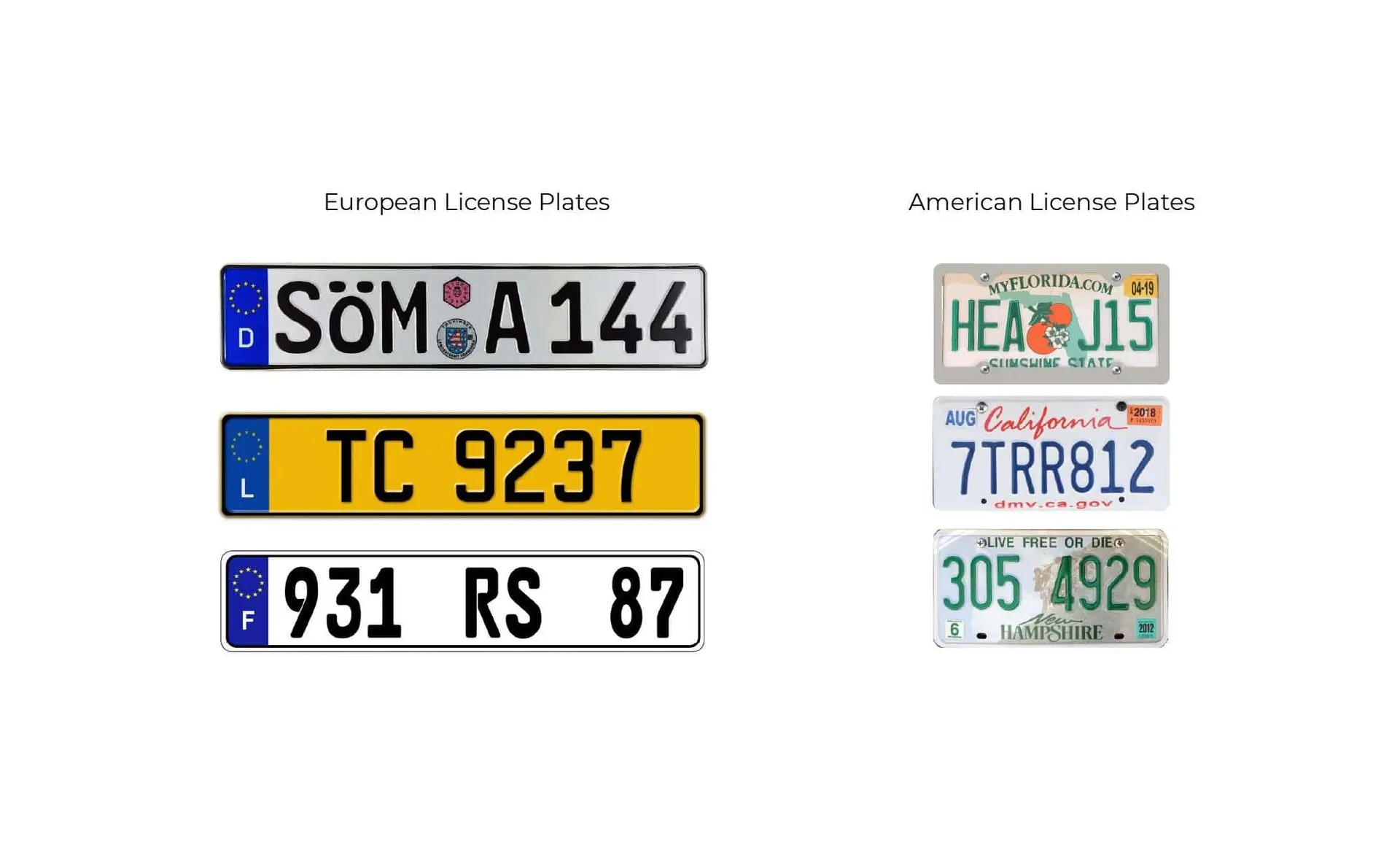
To recognize a license plate correctly, we have to "teach" the algorithm to read different plate designs from different types of license plates; what may seem like an O in some plates looks like a 0 in others.
So LPR is about knowing each possible plate variation and reading the characters according to many regional modifications; the algorithm needs to know "what to expect."
License Plate Recognition Phases
Although it may seem instantaneous (We at survision do it all in less than 20ms), License Plate Recognition is a 4 stage process; the first 2 are standard OCR, but the complicated part that makes LPR different than regular OCR comes at phase 3 and 4.
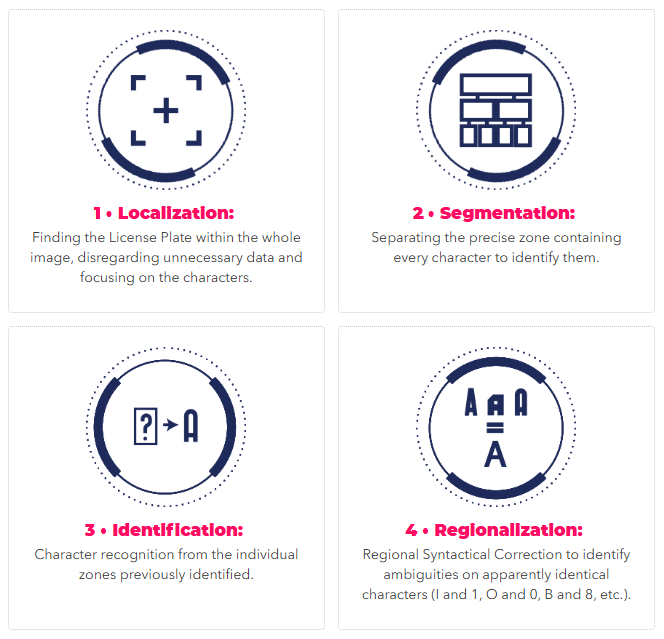
Building a License Plate recognition algorithm to understand all license plates is hard work: special characteristics of each region (country or state) must be considered for a proper final verdict; we do have to analyze every type of license plate available in the world and integrate their particularities into our algorithm.
To make License Plate Recognition a reliable solution, we should get as close as we can to the 100% success rate (accurate readings) in real-time; such achievement is beyond human programming capabilities:
Imagine perfectly and immediately recognizing every plate from every country in every angle possible...
Enter the AI
New advances in Neural Network engines allow us to help our system learn from every plate it reads; we use tons of previous readings to feed our cameras and provide them with "experience," which makes them "wiser" and, therefore, more precise.
The more readings we make, the more likely we are to correctly read the license plate, helping us get closer to 100% accuracy.
How is License Plate Recognition helping us?
The License Plate data gathered in License Plate Recognition is being employed for a vast range of applications allowing companies and governments to make more intelligent and effective policies, provide better customer service and reduce air pollution at the same time.
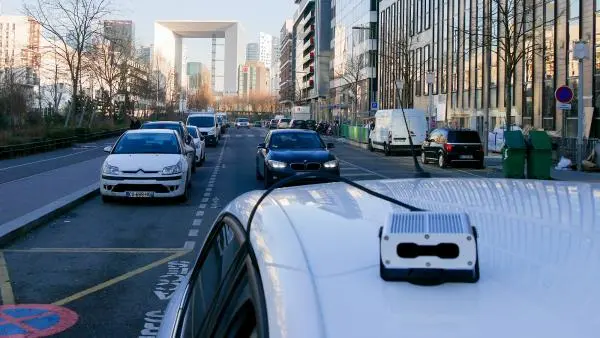
Security
Police forces are already using License Plate Recognition for security and law enforcement through embedded cameras on their vehicles, on Segways or fixed control points to detect stolen, wanted or uninsured vehicles.
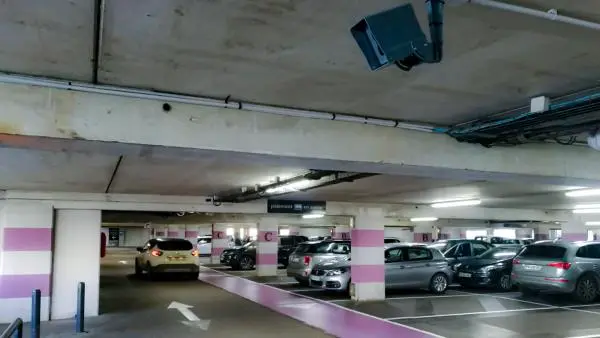
Parking
License Plate Recognition allows to automatize and digitalize the whole Parking operation, creating many possibilities to enhance capabilities and improve customer service.

Smart Cities
Cities use License Plate Recognition to develop better policies based on a higher understanding of the traffic
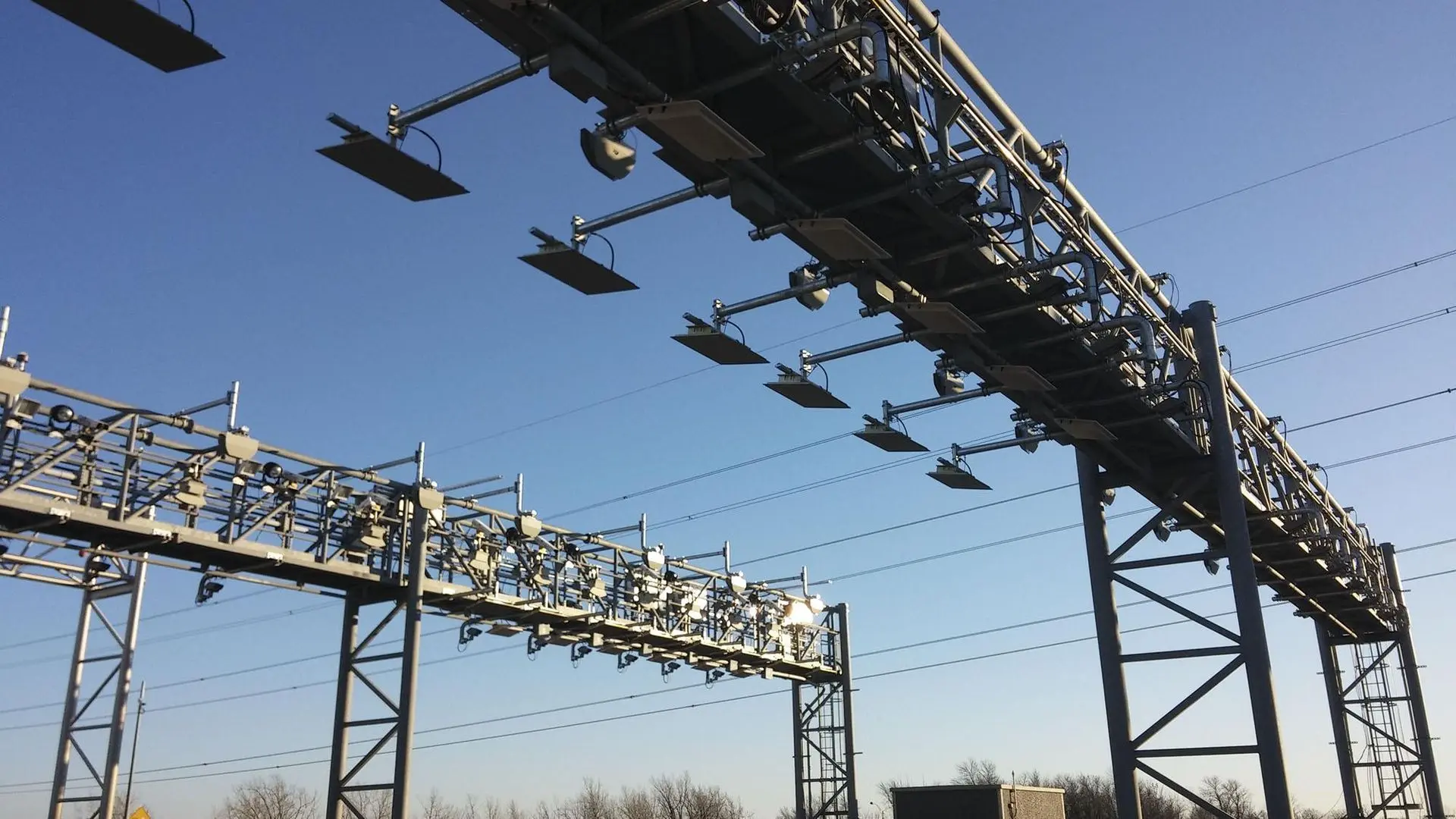
Tolling and ITS
License Plate Recognition have been key in developing new Tolling and ITS solutions thanks to recent additions of LPR cameras to existing systems to upgrade vehicle monitoring and location capabilities such as Toll-By-Plate.
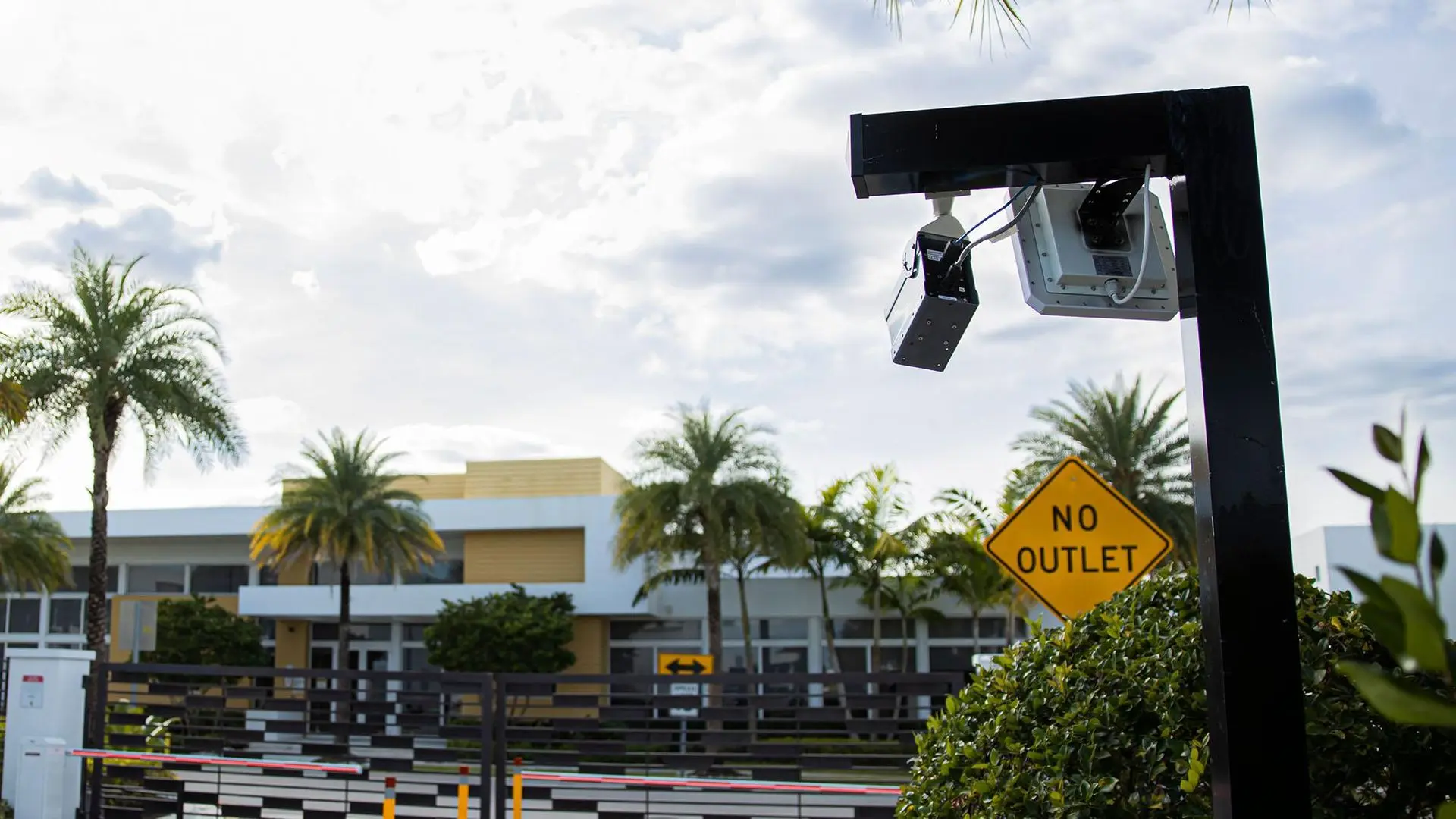
Vehicle Access Control
Residences, companies, and governments use License Plate Recognition to automate and optimize their vehicle access control management in new ways.
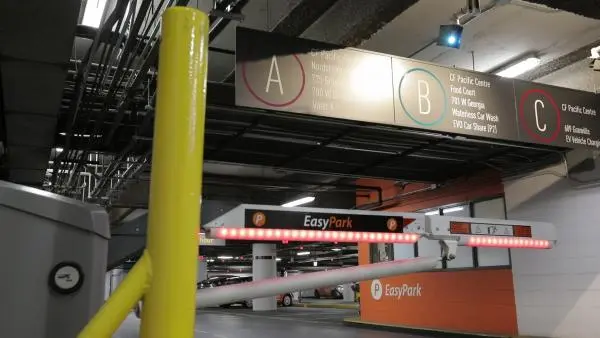
Free Flow / Ticketless Parking
Touchless, frictionless & ticketless parking installations where parkers don't have to stop at barriers parkers to enter, pay or exit: a smoother, faster and cleaner parking experience with minimum investment, thanks to LPR.
License Plate recognition means better control at lower costs
The success of LPR lies in the fact that it brings benefits to both companies and their customers: Companies reduce costs and increase revenues while improving customers' experience thanks to a faster, frictionless, touchless parking service.
License Plate Recognition is THE cost-effective solution! It’s easy to understand, let´s compare:
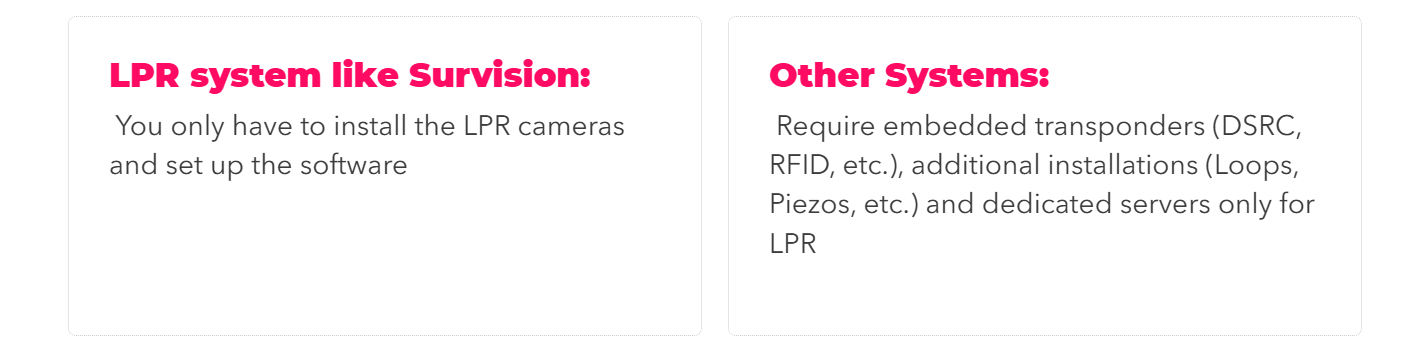
LPR is also a perfect solution when dealing with the new normality distances and touchless sanitary regulations.
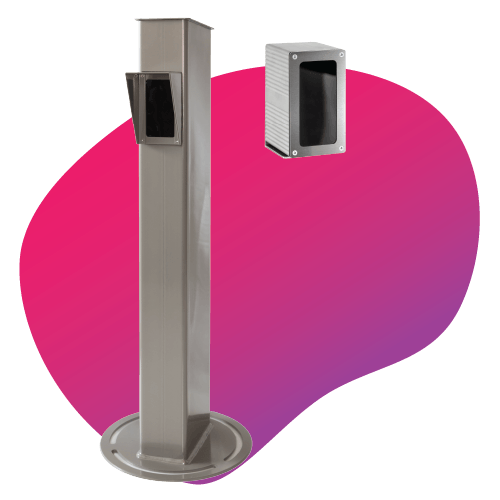
Nanopak
More affordable, smaller yet very fast and precise LPR camera, ideal for barrier or totem embedding
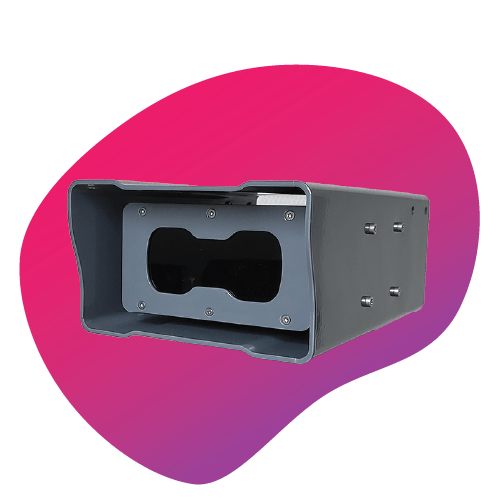
Visipak
Ideal for ITS and Tolling, this powerful camera works at large distances and very high speeds
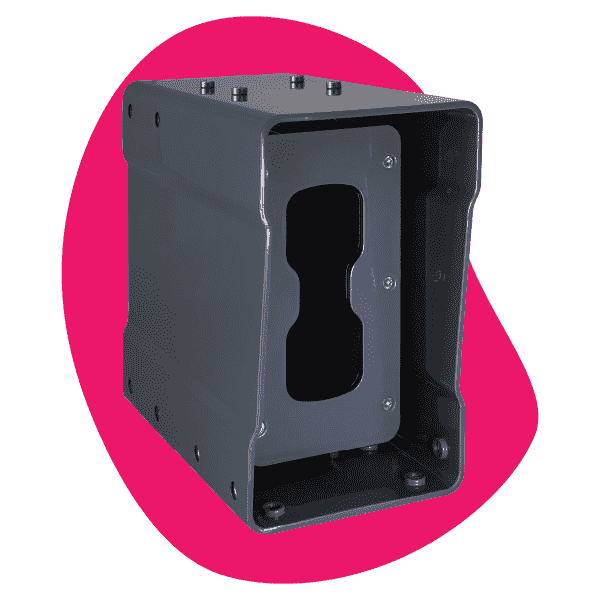
Micropak
High performance LPR camera for the most challenging sites such as very short distances and open angles
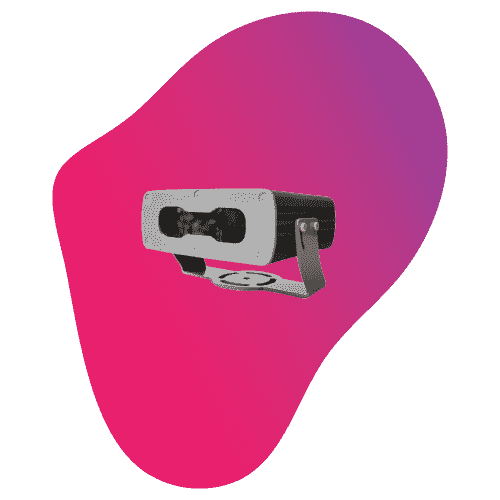
Picopak
The world's smallest LPR camera for security and on-street parking control
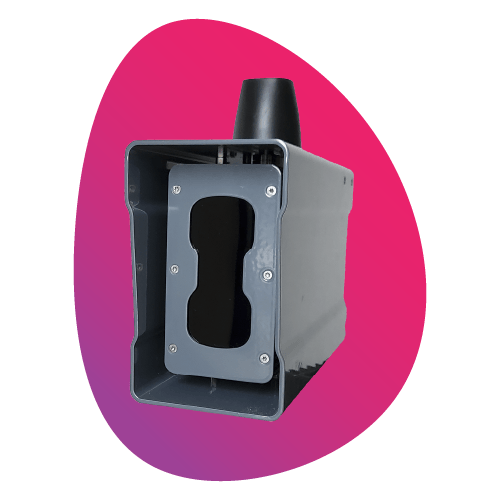
Citypak
Compact and affordable LPR camera with 4G connection, designed for Smart city